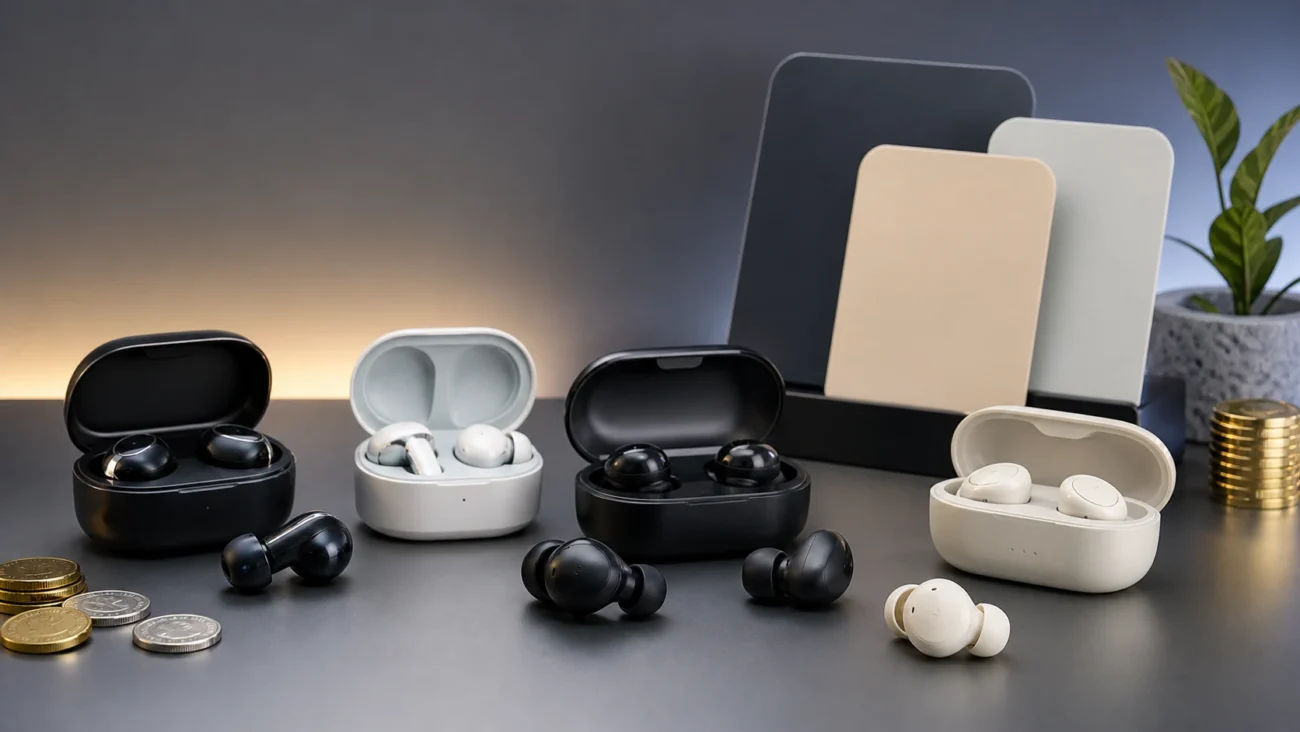
A $200 budget was enough to buy excellent wireless earbuds in 2024. Buyers no longer had to choose between good sound, effective active noise cancellation, dependable battery life, and useful software features. Models from Nothing, Bose, OnePlus, Apple, Jabra, Soundcore, Samsung, and Sennheiser showed how much the category had improved.
For most people, the Nothing Ear released in 2024 offered the best overall balance. It launched at $149 and combined strong sound, adjustable noise cancellation, wireless charging, multipoint Bluetooth, detailed equalizer controls, and support for higher-quality Android codecs. The Bose QuietComfort Earbuds (2024) were the better choice for travelers who cared most about reducing outside noise, while the OnePlus Buds Pro 3 stood out for sound-focused hardware and Android features.
The right purchase still depends on more than a ranking. Ear shape affects comfort, bass, and noise isolation. Phone choice determines which codecs and software features work. Battery claims also change when active noise cancellation, high-resolution audio, calls, multipoint, and spatial effects are enabled.
This guide focuses on earbuds that cost no more than $200 at their original or standard U.S. price during 2024. Some now sell for less, while others have been replaced or discontinued. That makes price, warranty coverage, battery age, and software support just as important as the specifications printed on the box.
The Best Wireless Earbuds Under $200 in 2024
Nothing Ear: Best Overall
The Nothing Ear was the strongest all-purpose choice under $200. Released in April 2024 at $149, it used an 11-millimeter ceramic-diaphragm driver and included active noise cancellation, transparency mode, wireless charging, in-ear detection, and multipoint Bluetooth. It also supported AAC, SBC, LDAC, and LHDC codecs, although codec availability depended on the connected phone.
Nothing’s greatest advantage was control. The Nothing X app offered a detailed equalizer, listening personalization, control customization, noise-mode adjustment, and an ear-tip fit test. That allowed owners to change the sound more precisely than they could with earbuds limited to a few preset profiles.
The default sound had enough bass for pop, rap, dance music, and films without completely pushing vocals backward. Listeners who preferred a flatter or brighter presentation could change the tuning in the app. Higher-data-rate codecs were useful for compatible Android users, but a stable fit and sensible equalizer setting still had a greater effect on everyday listening.
Nothing claimed up to 8.5 hours from the earbuds and 40.5 hours with the case under selected conditions. Independent testing by SoundGuys produced slightly more than eight hours in its battery test, supporting the model’s reputation for dependable endurance. Real use could be shorter with ANC, calls, high volume, or advanced codecs active.
Noise cancellation was effective against engines, fans, air-conditioning systems, and steady traffic noise. It did not match Bose’s strongest performance, but it was good enough for commuting, offices, cafés, and occasional flights. The combination of sound, app features, battery life, and price made the Nothing Ear the easiest model to recommend to most buyers.
Bose QuietComfort Earbuds: Best Noise Cancellation
Bose released the standard QuietComfort Earbuds in September 2024 at $179. They sat below the more expensive QuietComfort Ultra line while retaining the feature that mattered most to many Bose customers: strong active noise cancellation.
The earbuds used silicone tips and separate stability bands to create a secure seal. That physical isolation worked with Bose’s electronic noise reduction to lower aircraft rumble, train noise, fans, road sound, and office machinery. SoundGuys reported that the system reduced the perceived loudness of most tested noises by more than 80 percent.
Fit was central to that performance. A tip that was too small could weaken bass and allow sound to leak into the ear canal. A tip that was too large could cause discomfort and prevent the earbud from sitting correctly. Bose included different tip and stability-band sizes so owners could adjust both parts separately.
The QuietComfort Earbuds also offered transparency listening, multipoint pairing, app controls, and wireless charging. Bose’s published battery estimates were around 8.5 to 9 hours from the earbuds, depending on the test conditions and enabled settings.
The tradeoffs were size and codec support. The case was larger than several rivals, and the earbuds did not target buyers seeking LDAC, LHDC, or aptX playback. Their sound was tuned for broad everyday appeal rather than listeners who wanted the most analytical presentation.
For flights, public transportation, open offices, and other noisy settings, these were still the best sub-$200 option from the 2024 market. Buyers who cared more about sound adjustment or compact design could save money with the Nothing Ear, but Bose offered a clearer advantage in noise reduction.
OnePlus Buds Pro 3: Best for Sound and Android Features
The OnePlus Buds Pro 3 launched at $179.99 and offered one of the most ambitious audio designs in this price range. Each earbud used an 11-millimeter woofer and a 6-millimeter tweeter, allowing separate drivers to handle different parts of the frequency range. OnePlus also worked with Dynaudio on the tuning.
The earbuds supported LHDC 5.0 on compatible devices, with playback specifications reaching up to 24-bit/192 kHz. They also included active noise cancellation, wireless charging, multipoint Bluetooth, Google Fast Pair, personalized audio settings, spatial sound features, and an IP55 dust-and-water-resistance rating.
Their controls were particularly practical. Users could squeeze the stems for commands and slide a finger vertically to change the volume. This reduced the need to open a phone during a commute or workout and made accidental touches less common than on broad tap-sensitive surfaces.
Battery life changed sharply with the settings. OnePlus claimed up to 10 hours from the earbuds and 43 hours with the case using AAC with ANC switched off. With ANC active, those figures fell to about 6 hours from the earbuds and 25.5 hours with the case. Using LHDC and ANC together reduced endurance again.
The Buds Pro 3 made the most sense for OnePlus phone owners because some spatial and high-resolution features depended on selected OnePlus devices. Other Android users could manage the earbuds through the HeyMelody app, but iPhone users could not use LHDC and received less platform integration.
Their sound quality, controls, and hardware made them a strong alternative to the Nothing Ear. They were less convincing for buyers who depended heavily on transparency mode or wanted the simplest cross-platform experience. For a compatible Android phone, though, they offered one of the richest feature sets below $200.
AirPods 4 With ANC: Best Open-Fit Choice for iPhone
Apple released the AirPods 4 with Active Noise Cancellation on September 20, 2024, at $179. They were designed for people who wanted Apple’s software features and some noise reduction without silicone ear tips.
The open design was both their strength and weakness. It avoided the sealed feeling that some listeners find uncomfortable, and it allowed more natural awareness of surrounding sound. But because the earbuds did not close the ear canal, outside noise could still pass around the housing.
Apple added the H2 chip, adaptive audio, transparency mode, personalized spatial audio, conversation-aware features, Find My support, wireless charging, and system-level controls across compatible Apple devices. Pairing and switching between an iPhone, iPad, and Mac required less setup than most third-party earbuds.
The ANC could soften steady low-frequency noise, but it could not match sealed Bose, Nothing, or Samsung models. Results also depended heavily on whether the fixed AirPods shape matched the listener’s ears. A loose fit weakened bass and made the cancellation less effective.
Battery life was another compromise. Apple rated the ANC model for up to four hours per charge with noise cancellation enabled and up to five hours with noise control switched off. The case extended total listening time and supported USB-C, Qi charging, and an Apple Watch charger.
The AirPods 4 with ANC were not the best technical value for every buyer. They were the right choice for iPhone users who disliked silicone tips and valued Apple integration more than maximum isolation. Android users lost too many platform features to justify the same price.
Jabra Elite 8 Active: Best for Workouts
The Jabra Elite 8 Active originally cost $199 and targeted runners, gym users, hikers, and people who needed stronger environmental protection. The earbuds carried an IP68 rating, while the charging case was rated IP54. Jabra also used a grippy ShakeGrip coating to improve stability without large external ear hooks.
The Elite 8 Active included adaptive ANC, Dolby Audio, multipoint connectivity, six microphones, wireless charging, and a compact design suitable for everyday use. Their secure fit made them more practical for movement than many stem-style alternatives.
Jabra claimed up to eight hours with ANC active and 32 hours including the case. SoundGuys measured more than nine hours in its standardized ANC battery test, placing the model among the stronger performers for single-charge endurance.
Noise cancellation was useful but not the main reason to buy them. Independent testing found that they handled voices and some midrange sounds better than deep engine or traffic rumble. Bose remained the better travel choice, while Jabra offered stronger durability and exercise security.
There is a major purchasing issue now. Jabra’s parent company announced in June 2024 that it would wind down the Elite consumer-earbud line, and the process was completed by the end of that year. Remaining stock may still be covered by a seller or manufacturer warranty, but buyers should verify those terms before purchasing.
At a steep discount, the Elite 8 Active can still be an excellent sports option. Paying close to the original $199 price is harder to defend because the line has ended, replacement stock may become less common, and older sealed units may contain batteries that have spent a long time in storage.
Soundcore Liberty 4 NC: Best Value
The Soundcore Liberty 4 NC showed that buyers did not need to spend close to $200. Introduced at $99.99, the earbuds offered adaptive noise cancellation, LDAC support, Bluetooth multipoint, wireless charging, app-based personalization, and an 11-millimeter driver.
Soundcore claimed up to 10 hours from the earbuds and 50 hours with the case under standard listening conditions. With ANC enabled, the typical published figure fell closer to eight hours. High volume, LDAC, calls, and stronger cancellation modes could reduce it further.
The ANC worked especially well against low, steady noise for a product at this price. It made the Liberty 4 NC suitable for buses, trains, offices, and home working. Call quality was acceptable in quiet spaces but less dependable in strong wind or heavy street noise.
The factory sound placed extra emphasis on bass and treble. That made music sound energetic, but it could push vocals and midrange instruments backward. The Soundcore app helped correct this through a detailed equalizer, HearID personalization, control settings, firmware updates, and adjustable noise modes.
The app was not optional for buyers who wanted the best result. Without tuning, the sound could feel less balanced than the Nothing Ear or Sennheiser Accentum True Wireless. With a few adjustments, the Liberty 4 NC delivered far more than its $100 price suggested.
For shoppers focused on value, this was one of the most sensible purchases of 2024. It left enough room in the budget for replacement ear tips, a protective case, or an extended warranty without giving up major convenience features.
Samsung Galaxy Buds FE: Best for Galaxy Phones
Samsung launched the Galaxy Buds FE in October 2023 at $99.99, but they remained one of the best affordable options throughout 2024. They included active noise cancellation, ambient sound, interchangeable wing tips, touch controls, and close integration with Samsung Galaxy devices.
Samsung claimed up to six hours from the earbuds and 21 hours with the case when ANC was active. With noise cancellation switched off, the published figures rose to 8.5 hours and 30 hours. Independent tests produced shorter results, which is common when volume and ANC remain fixed throughout testing.
The sealed design and wing tips created strong passive isolation for many users. That helped the ANC system reduce surrounding noise more effectively than open-fit earbuds. The secure shape also worked well for commuting and moderate exercise.
The sound favored bass, making the Buds FE well suited to pop, electronic music, films, and general entertainment. Samsung’s Galaxy Wearable app offered preset sound profiles and device settings, though it did not provide the same detailed manual equalizer found in the Nothing or Soundcore apps.
Water resistance was the largest weakness. The earbuds carried an IPX2 rating, which offered limited protection against dripping water but was far below the Jabra Elite 8 Active’s IP68 rating. They were suitable for ordinary daily use, but buyers should not treat them as heavy-rain or high-sweat sports earbuds.
The Buds FE offered their best experience with Samsung phones. Galaxy users received easier pairing, device integration, and access to Samsung-specific settings. Buyers using an iPhone or a non-Samsung Android phone had better cross-platform choices.
Sennheiser Accentum True Wireless: Best for Comfort
Sennheiser released the Accentum True Wireless on May 21, 2024, at $199.99. They combined the company’s TrueResponse driver system with hybrid ANC, transparency mode, Bluetooth 5.3, aptX, AAC, SBC, LC3, wireless charging, and a compact case.
The physical design was developed with comfort research connected to Sonova, Sennheiser’s hearing-aid industry partner. That focus made the Accentum True Wireless a useful alternative for listeners who found larger premium earbuds tiring or unstable.
Sennheiser claimed up to eight hours from the earbuds and 28 hours with the case. A short USB charge could provide additional listening time, while Qi charging made the case easy to top up on a wireless pad.
The sound was more restrained than the bass-heavy tuning found in many cheaper models. Vocals and acoustic instruments remained clear, and the Smart Control app allowed further adjustment. Some reviewers, however, felt that the presentation lacked energy compared with stronger rivals.
At the full $199.99 launch price, the Accentum True Wireless faced difficult competition. Nothing offered more flexible controls for less money, Bose delivered stronger ANC, and OnePlus included more ambitious hardware. Sennheiser made more sense at a discount or for buyers who had already confirmed that the shape suited their ears.
What Matters Most Before Buying
Fit should come before every specification. Silicone-tipped earbuds need a proper seal to deliver their intended bass and noise cancellation. A poor seal can make an excellent model sound weak, while an oversized tip may create pressure and discomfort.
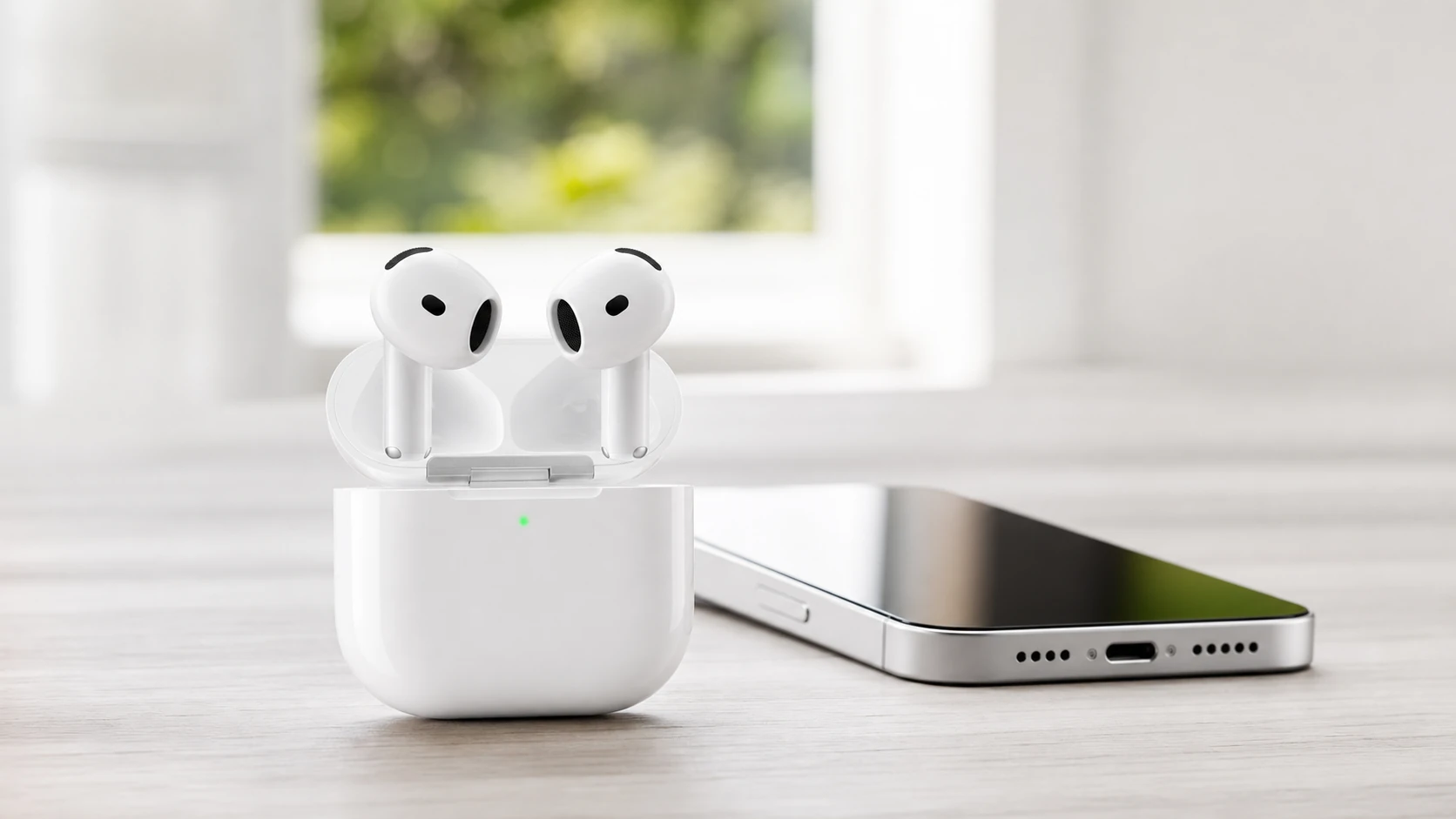
Open earbuds such as the AirPods 4 avoid that sealed sensation, but they allow more outside sound to enter. This can be useful for awareness and comfort, yet it limits how much ANC can achieve. Buyers should decide whether they want isolation or a less closed-in feeling before comparing apps and codecs.
Active noise cancellation works best against steady low-frequency sounds such as engines, fans, air-conditioning systems, and road noise. It is less predictable against sudden voices, dishes, alarms, and wind. Published decibel claims cannot be compared fairly unless the products were measured under the same conditions.
Bluetooth codecs also receive more attention than they deserve. LDAC, LHDC, aptX, AAC, SBC, and LC3 differ in data rate, efficiency, delay, and compatibility, but the phone and earbuds must support the same standard. A correct fit and sensible tuning usually produce a larger improvement than selecting the highest codec setting.
Battery figures need context. Manufacturers often measure endurance at moderate volume with selected features disabled. ANC, calls, multipoint, high-resolution codecs, spatial processing, and voice detection can shorten actual use.
The age of the product matters too. True wireless earbuds contain small batteries that lose capacity through charging cycles and time. A discounted sealed pair may be unused but can still have spent years sitting in a warehouse.
Water resistance should be treated as limited protection, not a promise against every form of moisture. Sweat, rain, chlorine, saltwater, soap, and steam create different risks. The charging case may also have a weaker rating than the earbuds, so damp earbuds should be dried before charging.
How the 2024 Market Looks Now
Many of the best 2024 earbuds remain useful because the core technology has not suddenly become obsolete. ANC, multipoint, wireless charging, app equalizers, and modern Bluetooth connections still meet normal listening needs. Newer models may add features, but they do not always improve fit, battery life, or value.
Nothing replaced the 2024 Ear with the Ear (3) in 2025. The newer model introduced changes to the case and microphone system, but independent testing found that the older version lasted longer in a standardized battery test. Buyers should compare actual features rather than assuming the newest name is automatically better.
Samsung continued beyond the Galaxy Buds FE with newer Galaxy Buds generations. The Buds FE still offered a sealed fit and low price, which could make them a better choice than a newer open model for buyers who cared about isolation. Their weaker water resistance remained a concern.
Jabra presented the clearest risk because it ended the Elite consumer line. The Elite 8 Active can still perform well, but buyers should check warranty coverage, seller reputation, return terms, and replacement availability. A low clearance price should reflect the fact that the product family is no longer continuing.
Apple and Bose kept their 2024 models relevant through continuing platform support and clear positions in their lineups. AirPods 4 with ANC remained the open-fit Apple option, while Bose’s standard QuietComfort Earbuds remained a less expensive path to strong noise cancellation.
Common Misunderstandings About Wireless Earbuds
A higher price does not guarantee a better result. A $100 model may fit more securely, last longer, or provide every feature a buyer needs. Spending the full $200 only makes sense when the more expensive product solves a clear problem.
High-resolution codec support does not guarantee better sound. The source device, recording quality, Bluetooth stability, equalizer, driver tuning, and ear-tip seal all affect the result. Many listeners will hear a greater difference from changing ear tips than from changing codecs.
ANC does not block every sound. It reduces certain frequencies more effectively than others and works with passive isolation rather than replacing it. Sudden voices and sharp noises may remain audible even with a strong system.
An IP rating does not make earbuds waterproof in every situation. Ratings cover controlled tests, not all forms of sweat, rain, chemicals, or water pressure. Cases often receive less protection than the earbuds themselves.
Manufacturer battery claims are not promises of everyday endurance. They describe performance under specific test conditions. Real use changes with volume, calls, temperature, software settings, and battery age.
Older earbuds are not automatically bad purchases, but the discount must make sense. A discontinued model with unclear warranty coverage should cost less than a current model with active support. Buyers should also consider how easy it will be to find replacement tips or service later.
Frequently Asked Questions
What were the best wireless earbuds under $200 in 2024?
The Nothing Ear offered the best overall mix of sound, battery life, noise cancellation, app controls, wireless charging, and price. Bose QuietComfort Earbuds were better for ANC, while OnePlus Buds Pro 3 were stronger for compatible Android users seeking advanced audio features.
Which 2024 earbuds had the best noise cancellation under $200?
The Bose QuietComfort Earbuds released in September 2024 were the strongest noise-cancelling option in this group. Their sealed fit and ANC system worked especially well against travel and mechanical noise.
What were the best wireless earbuds under $100?
The Soundcore Liberty 4 NC offered the broadest value through ANC, multipoint, LDAC, wireless charging, and a detailed app. Samsung Galaxy Buds FE were also a strong choice for Galaxy phone owners who wanted a secure fit and effective isolation.
Are AirPods 4 with ANC worth buying?
They are worth considering for iPhone users who dislike silicone ear tips and value Apple’s pairing, switching, Find My, and spatial audio features. Buyers seeking maximum noise reduction or long single-charge battery life should choose sealed earbuds instead.
Are Jabra Elite 8 Active earbuds still a good purchase?
They can still be a good workout option at a substantial discount because of their IP68 rating, secure fit, multipoint support, and long battery life. Buyers should verify the warranty and seller because Jabra ended the Elite consumer-earbud line in 2024.
Do expensive Bluetooth codecs improve sound?
They can help under the right conditions, but the difference is not automatic. The phone must support the codec, and fit, tuning, recording quality, and connection stability often matter more.
Are 2024 wireless earbuds still worth buying now?
Yes, especially when the price is lower and the product still has reliable software support and warranty coverage. Buyers should be more careful with discontinued models and old inventory because small batteries can age even while stored.
Conclusion
The best wireless earbuds under $200 in 2024 proved that premium everyday features no longer required flagship pricing. Strong ANC, multipoint Bluetooth, wireless charging, detailed apps, and long battery life were available across several price levels.
The Nothing Ear remains the most balanced choice for a wide range of buyers. Bose is the better option for noise reduction, OnePlus suits feature-focused Android users, and AirPods 4 with ANC serve iPhone owners who prefer an open fit.
Budget buyers should not overlook the Soundcore Liberty 4 NC or Samsung Galaxy Buds FE. Both delivered useful features for about half of the spending limit, though Samsung’s model made the most sense within the Galaxy device family.
The final decision should come down to fit, phone compatibility, intended use, and support rather than the longest specification list. Earbuds that stay comfortable, seal correctly, and work reliably with your devices will provide more value than a higher-ranked pair that does not suit your ears.
