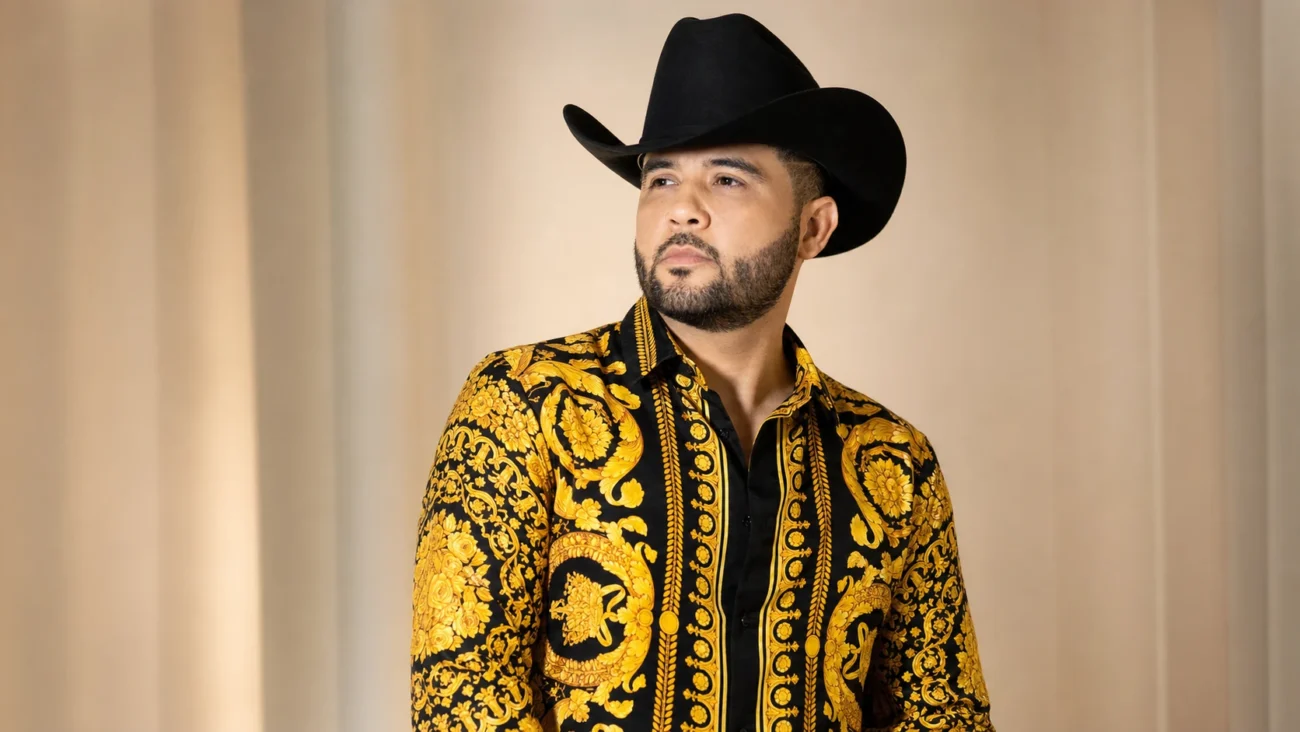
Darey Castro is the Mexican singer, accordionist, songwriter and producer best known as the driving force behind Los Dareyes de la Sierra. Over a career that began in the late 1990s, Castro has moved from regional Mexican music stages in Sonora to major Billboard charts, becoming one of the veteran voices connected to the modern corridos movement.
His career is unusual because his biggest moments have come in two different eras of music. In 2008, Los Dareyes de la Sierra reached a wide audience with “Hasta el Día de Hoy,” a regional Mexican hit that dominated radio charts. More than a decade later, Castro found a new generation of listeners through collaborations with artists such as Peso Pluma, Tito Double P and Xavi, proving that his style could connect with the streaming era.
While fans often search for Darey Castro’s age, family, wife, net worth and current projects, many personal details remain private or have not been publicly confirmed. What is clear is the story of an artist who built a lasting career through persistence, a recognizable voice and the ability to adapt without abandoning his musical roots.
Early Life and Family Background
Darey Castro was born José Darey Castro in Sonora, Mexico. He is closely associated with Navojoa, Sonora, where Los Dareyes de la Sierra was formed in 1997. Sonora has a strong tradition of norteño, banda and corrido music, and that environment shaped the sound that later became central to Castro’s career.
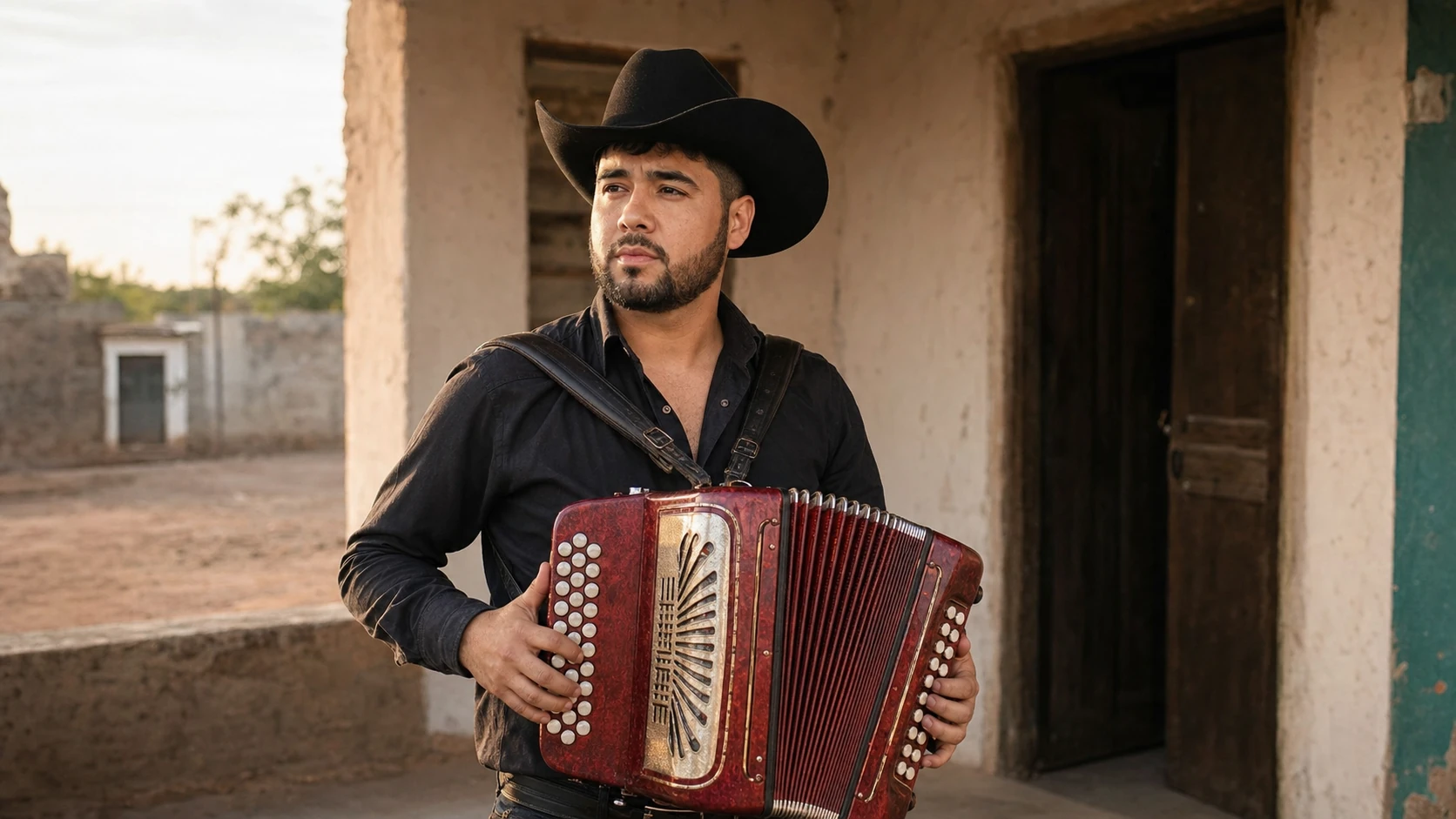
Details about Castro’s exact date of birth, childhood, parents and early family life have not been publicly confirmed through reliable biographies or official sources. Some online profiles provide personal details, but many do not cite verifiable information. Because of that, claims about his exact age or upbringing should be treated carefully.
What is known is that music became an important part of Castro’s life at a young age. In interviews, he has discussed receiving a guitar from his father when he was a child and later returning to music after a period away from the instrument. His early connection with traditional Mexican sounds eventually led him toward the accordion and regional performance.
Unlike many contemporary artists who gain attention through social media first, Castro developed his reputation through years of live performances and recordings. His career grew through the traditional path of regional Mexican musicians: building an audience song by song before reaching a wider national market.
The Formation of Los Dareyes de la Sierra
Los Dareyes de la Sierra was formed in Navojoa, Sonora, in 1997. The group became known for combining norteño influences with corridos, banda arrangements and romantic songs. Castro emerged as the central figure of the group, providing the lead vocals and accordion sound that became recognizable to fans.
Before settling on the name Los Dareyes de la Sierra, the group reportedly worked under earlier names, including Los Llegadores de Sonora and Los Alteños de la Sierra. Over time, the Dareyes name became connected directly with Castro’s artistic identity.
The group’s early years were built around regional popularity rather than immediate national fame. Albums such as Duelo de Shakas and El Águila Real helped establish their sound, while their performances introduced audiences to Castro’s distinctive vocal style.
His voice became one of the group’s defining characteristics. Rather than relying on a polished pop approach, Castro developed a rougher, emotional delivery that fit both romantic heartbreak songs and the storytelling tradition of corridos.
Career Breakthrough With “Hasta el Día de Hoy”
Los Dareyes de la Sierra reached their first major commercial breakthrough in 2008 with “Hasta el Día de Hoy.” The song became one of the group’s signature recordings and helped move Castro from a regional favorite into a nationally recognized Mexican music artist.
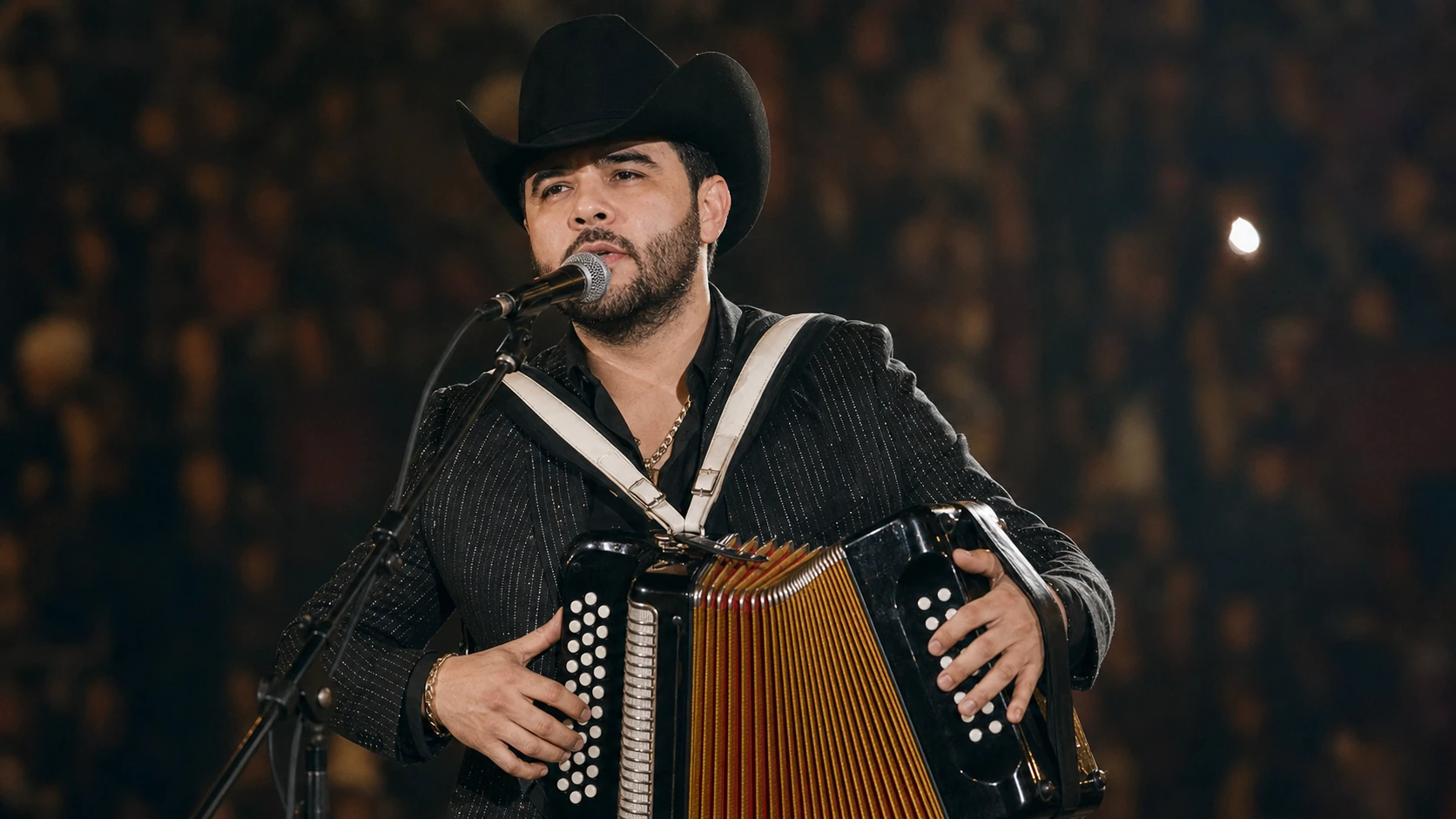
The track spent 11 weeks at No. 1 on Billboard’s Regional Mexican Airplay chart and reached No. 3 on the Hot Latin Songs chart. Its success introduced the group to a much larger audience in Mexico and the United States.
The song’s appeal came from its direct emotional message and Castro’s distinctive delivery. It captured the heartbreak themes common in regional Mexican music while standing out because of the intensity of his performance.
The success of “Hasta el Día de Hoy” also helped the album Con Banda gain wider attention. The project earned chart recognition and established Los Dareyes de la Sierra as one of the notable regional Mexican groups of that period.
Recognition, Awards and Continued Music Career
Following the success of 2008, Castro continued releasing music with Los Dareyes de la Sierra. The group’s album Una Copa Más received a Latin Grammy nomination for Best Banda Album at the 10th Annual Latin Grammy Awards.
Although the group did not win the award, the nomination confirmed that their popularity extended beyond radio success. It placed Castro among artists receiving recognition from the wider Latin music industry.
Throughout the 2010s, Los Dareyes de la Sierra continued releasing music, including projects such as Sangre Guerrera and Tienes Todo. The group remained active even as the regional Mexican market changed with the growth of streaming platforms and younger performers.
During this period, Castro did not disappear from music, but public attention shifted toward newer artists. The rise of corridos tumbados created a new environment where older regional Mexican performers had opportunities to reconnect with younger audiences.
The 2020s Comeback and New Generation of Fans
Castro’s career received renewed attention in the 2020s as corridos and música mexicana gained a larger global audience. Instead of being viewed only as a veteran artist from an earlier era, he became connected with a new movement influenced by both traditional Mexican music and modern production.
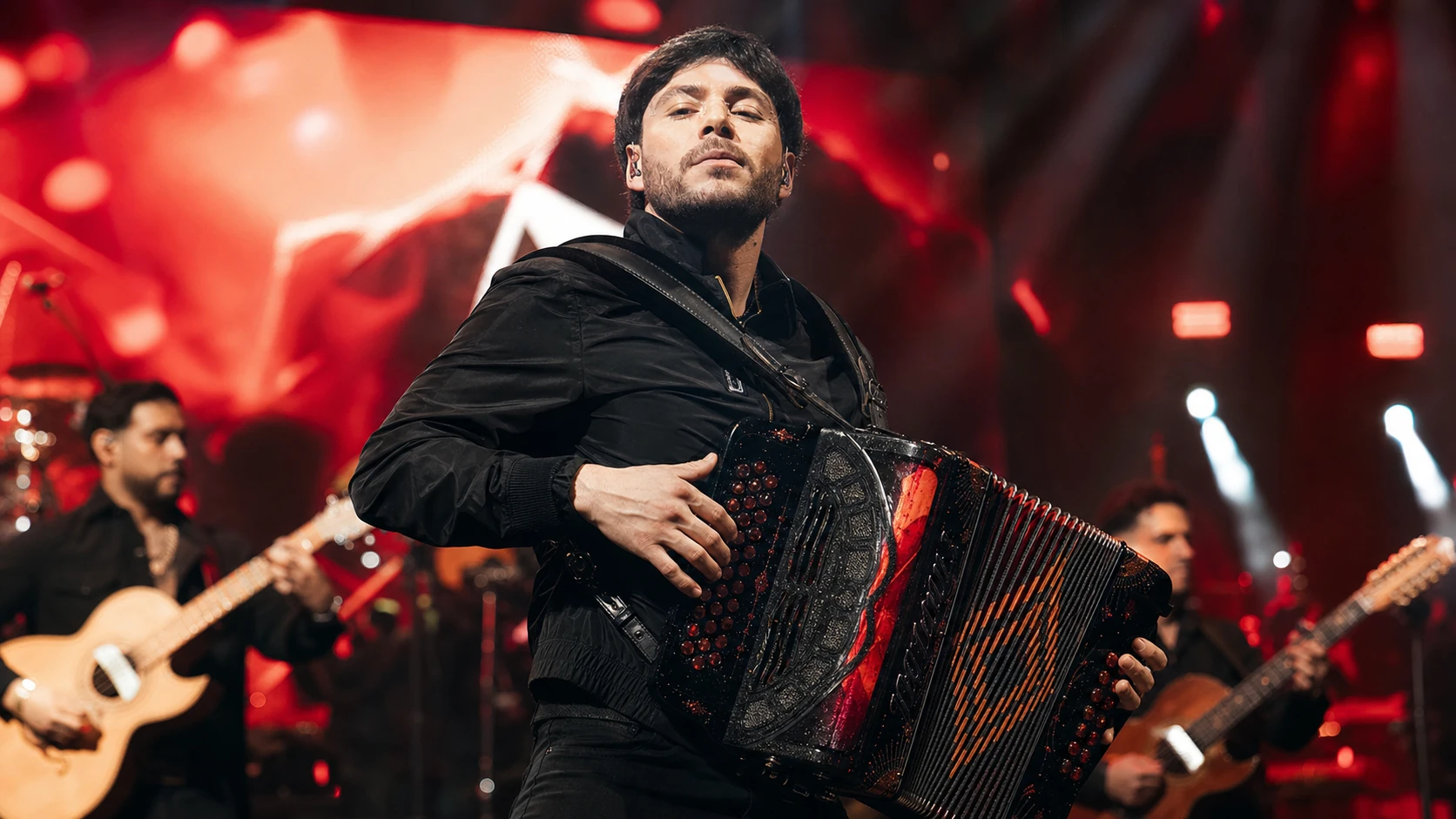
A major turning point came with “VVS,” a collaboration involving Peso Pluma, Edgardo Nuñez and Los Dareyes de la Sierra. The song reached the Billboard Hot 100 in 2023, introducing Castro’s music to listeners who may not have known his earlier work.
The collaboration showed that Castro’s style could fit alongside younger performers. His voice and accordion remained tied to traditional regional music, while the production around him reflected the sounds dominating streaming platforms.
In 2025, Castro released Redención, an album through Double P Records. The project featured collaborations with several major música mexicana artists, including Peso Pluma, Tito Double P, Luis R Conriquez, Gabito Ballesteros, Grupo Firme and Santa Fe Klan.
The album represented one of the biggest chapters of Castro’s later career. Songs such as “Vita Fer” and “Frecuencia” expanded his audience, with “Frecuencia” reaching the Billboard Hot 100 and becoming another major chart moment for Los Dareyes de la Sierra.
The Meaning Behind His Musical Evolution
Castro’s career reflects the changing nature of regional Mexican music. He first succeeded during an era dominated by radio, physical albums and traditional regional promotion. Later, he found success in a streaming environment where collaborations and digital audiences shape popularity.
His ability to connect across generations comes from keeping important parts of his identity intact. The accordion, emotional storytelling and rough vocal style that defined his earlier recordings remain present in his newer work.
At the same time, Castro has shown a willingness to experiment. His recent music incorporates modern production styles and collaborations that place him alongside younger artists without removing the elements that made him recognizable.
That balance has helped him maintain relevance. Instead of attempting to become a completely different artist, Castro has adjusted his approach while keeping the qualities that built his original fan base.
Personal Life: Wife, Children and Relationships
Darey Castro has kept much of his personal life away from the public spotlight. Unlike many entertainers who regularly share details about relationships and family, he has generally focused public attention on his music.
Reports in 2026 identified Sara Sánchez as Castro’s wife and stated that the couple share a daughter. Sánchez publicly discussed the end of their relationship and made allegations regarding infidelity. Those statements were her claims, and Castro’s personal circumstances should not be presented as established beyond what has been publicly confirmed.
Details about Castro’s current relationship status, family arrangements and private life remain limited. There is no complete public biography documenting every aspect of his family background.
The limited information reflects a broader pattern among regional Mexican artists, many of whom maintain a separation between their public performances and their private lives.
Darey Castro’s Net Worth and Income Sources
Darey Castro’s exact net worth is not publicly confirmed. Online estimates from celebrity finance websites should be viewed cautiously because they are often based on assumptions rather than verified financial records.
His income likely comes from several areas connected to a long music career. These may include album sales, streaming revenue, songwriting royalties, live performances, touring, merchandise and production work.
A successful regional Mexican artist’s earnings can vary widely depending on contracts, ownership of recordings, management agreements, touring expenses and other business arrangements. Without financial documents or statements from Castro’s representatives, a precise figure cannot be verified.
What can be confirmed is that Castro has built a multi-decade career with multiple commercial successes, including charting songs, award recognition and major collaborations.
Recent Work and Current Status
As of 2026, Darey Castro remains active as the main figure behind Los Dareyes de la Sierra. Following the success of Redención, he continued releasing new music, including the 2026 album SABIA.
SABIA continued the direction established by his recent work, combining regional Mexican foundations with newer sounds and collaborations. The project showed that Castro’s comeback was not limited to one successful album or one generation of listeners.
He has also continued performing live, bringing together longtime fans who remember “Hasta el Día de Hoy” and newer audiences who discovered him through collaborations with younger stars.
After nearly three decades in music, Castro’s career stands as an example of longevity in a genre that has changed dramatically. His story is not only about past success but about adapting to new audiences while keeping a recognizable artistic identity.
Frequently Asked Questions
What is Darey Castro’s real name?
Darey Castro’s real name is José Darey Castro. He is best known professionally as Darey Castro and as the leader of Los Dareyes de la Sierra.
How old is Darey Castro?
Darey Castro’s exact age is not publicly confirmed. Although some websites mention a birthday, a verified birth year has not been established through reliable public sources.
Where is Darey Castro from?
Darey Castro is from Sonora, Mexico. He is especially associated with Navojoa, Sonora, where Los Dareyes de la Sierra was formed in 1997.
What is Darey Castro famous for?
Darey Castro is famous for leading Los Dareyes de la Sierra and for songs including “Hasta el Día de Hoy,” “VVS” and “Frecuencia.” His career connects traditional regional Mexican music with the modern corridos era.
Did Darey Castro win a Latin Grammy?
Los Dareyes de la Sierra received a Latin Grammy nomination for Best Banda Album for Una Copa Más at the 10th Annual Latin Grammy Awards. The group did not win the award.
Is Darey Castro married?
Reports in 2026 identified Sara Sánchez as his wife and reported that she announced their separation. The current legal status of their relationship has not been publicly confirmed.
What is Darey Castro’s net worth?
Darey Castro’s net worth is not publicly verified. Any exact number found online should be considered an estimate rather than confirmed financial information.
Conclusion
Darey Castro’s story is one of endurance, reinvention and musical identity. From forming Los Dareyes de la Sierra in Sonora to reaching major charts decades later, he has built a career that spans multiple generations of Mexican music.
His success comes from a combination of tradition and adaptation. The same vocal style and accordion sound that introduced him to audiences in the 2000s helped him connect with younger listeners in the 2020s.
Many personal details about Castro remain private, but his professional legacy is clear. He remains one of the recognizable voices linking classic regional Mexican music with the modern global popularity of música mexicana.
