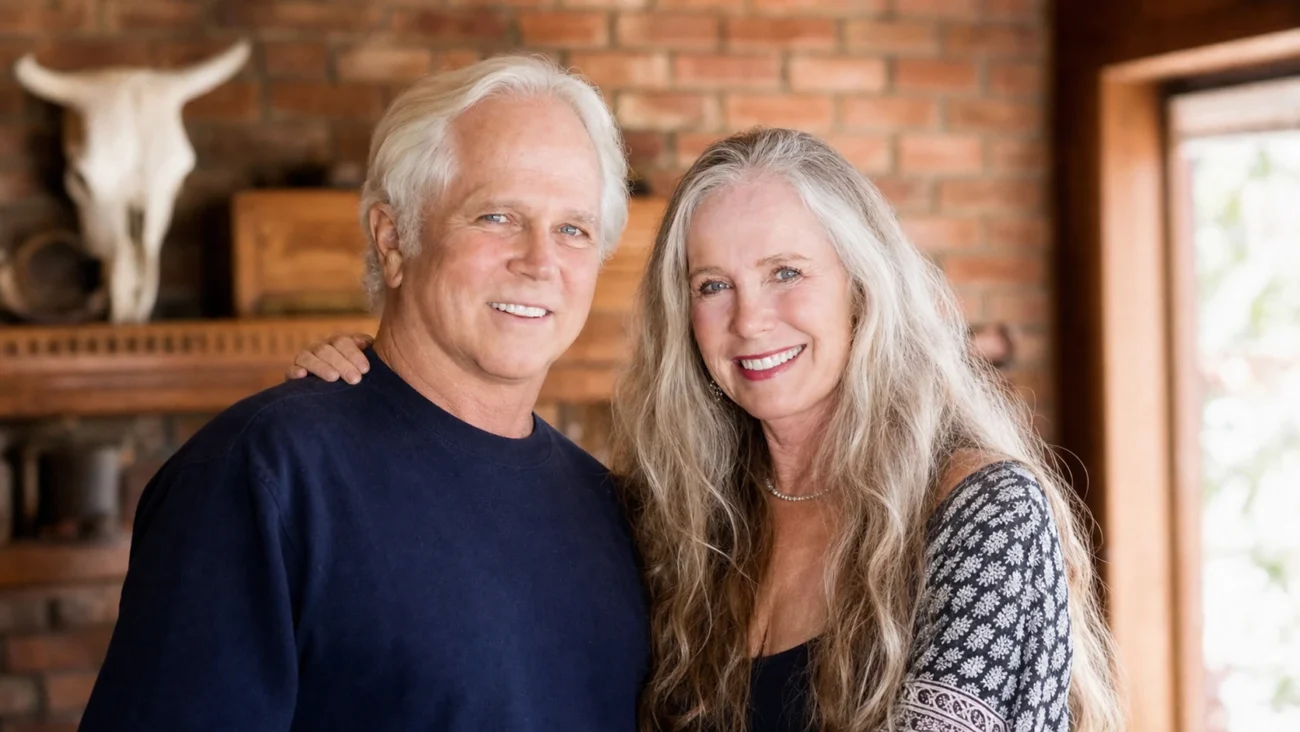
Lauren Shulkind built a creative life that extended far beyond her marriage to Leave It to Beaver actor Tony Dow. She worked in advertising production, owned an art gallery, helped produce television and publishing projects, created mosaics, performed onstage, and volunteered for programs serving retired entertainment workers.
Her public profile remained modest for most of her life. That changed after Dow’s cancer diagnosis and death in July 2022, when renewed interest in the actor led many people to ask about the woman who had shared his life for more than four decades. While several personal details about Shulkind remain private, the verified record shows an independent artist and producer whose interests closely matched Dow’s later work as a sculptor, director, and craftsman.
Shulkind and Dow married in 1980 and remained together until his death at age 77. Their marriage lasted about 42 years and centered on family, art, travel, volunteer service, and the home they created in California’s Topanga Canyon.
Early Life and Family Background
Lauren Shulkind’s exact date of birth, age, and birthplace have not been established by a reliable public source. Several online biographies give a specific birthday and describe her as being born in New York, but those claims are not supported by the stronger profiles published by organizations that knew or worked with her.
Details about her parents, siblings, and childhood are also limited. She has not built a public identity around her family background, and no verified interview provides a full account of her upbringing. One later profile connected her interest in volunteer work to her mother, whom Shulkind described as someone with a long history of helping others.
What is known begins with her early professional life. Shulkind worked as a print model for Muehlebach’s Bridal Shop in Kansas City, Missouri. She later traveled internationally and lived for a period in Taiwan during the Vietnam War era, accompanied by her Old English Sheepdog, Gladiola.
Public accounts do not explain why she moved to Taiwan or how long she remained there. Still, the experience shows that her life before Hollywood included travel, independence, and work outside the entertainment industry.
Education and Early Creative Work
Shulkind studied design at the Kansas City Art Institute. Available biographies do not confirm whether she completed a specific degree, so claims about a formal qualification should be treated cautiously.
Her interest in art later led her to operate the Fetich Art Gallery of Native Peoples of the World in Stockbridge, Massachusetts. Little public information survives about the gallery’s years of operation, exhibitions, or financial performance. Its existence, however, reflects her long-standing interest in handmade objects, cultural art, and visual design.
After returning to Kansas City, Shulkind moved into advertising. She worked at the agency B/R/B as a television and radio producer, a position that involved creating commercial media and casting performers.
That job led directly to her meeting Tony Dow.
How Lauren Shulkind Met Tony Dow
Lauren Shulkind met Tony Dow in Kansas City in the late 1970s while producing a McDonald’s commercial. She selected Dow for the advertisement while he was appearing locally in a stage production with his former Leave It to Beaver co-star Jerry Mathers.
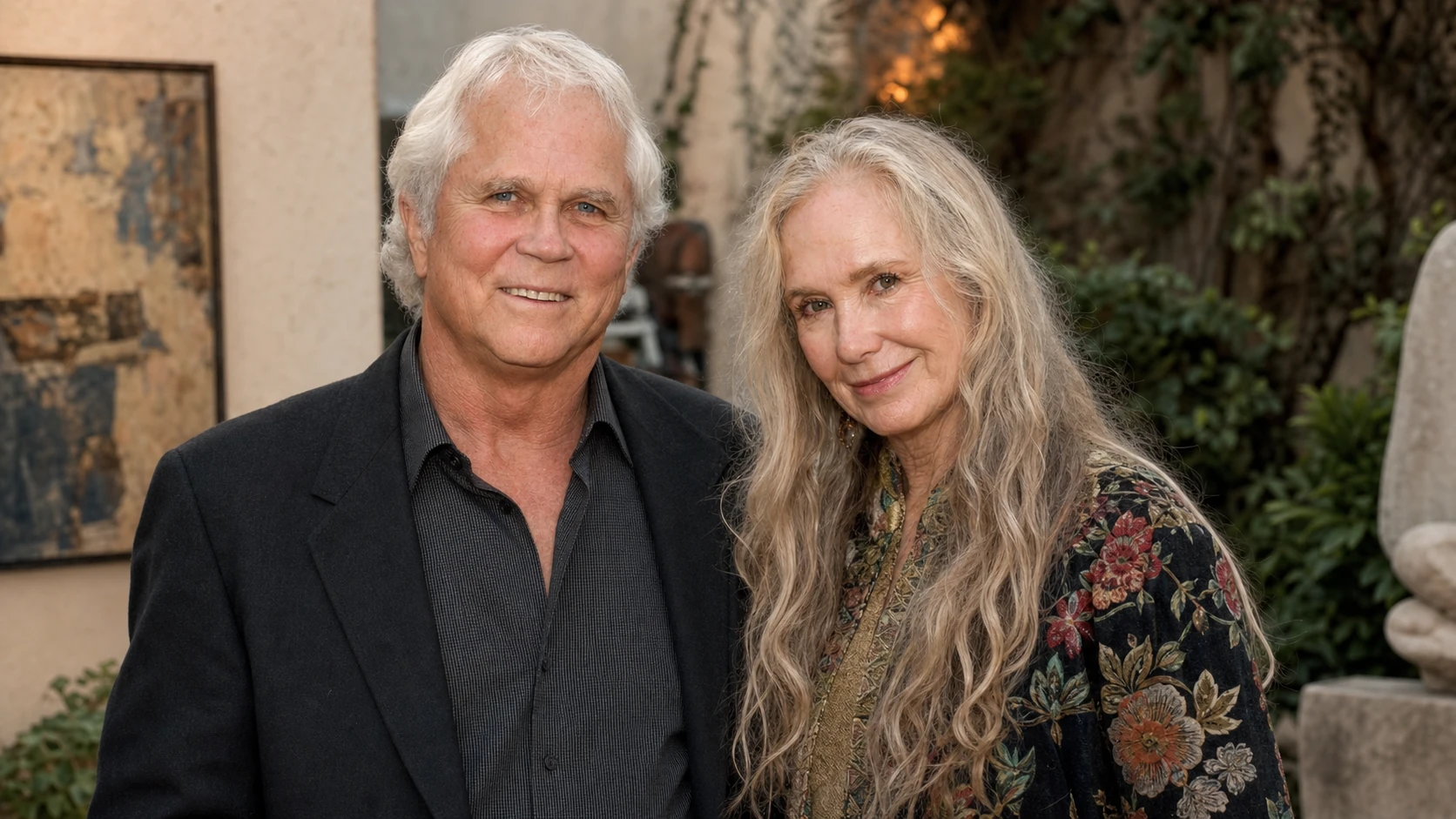
Some accounts place their meeting in 1978, while others identify 1979. The basic sequence is consistent: Shulkind was working behind the camera in advertising, Dow was performing in regional theater, and their professional encounter developed into a personal relationship.
Dow had already spent most of his life in the public eye. He became famous at age 12 as Wally Cleaver, the responsible older brother on Leave It to Beaver, which originally aired from 1957 to 1963. As an adult, he continued acting but also worked in construction, directing, production, visual effects, and sculpture.
Shulkind did not meet him during the height of his childhood fame. By the late 1970s, he was an adult performer trying to build a broader identity beyond Wally Cleaver. Her own background in production and art gave them interests that went well beyond television nostalgia.
Marriage to Tony Dow
Lauren Shulkind and Tony Dow married in 1980. It was Dow’s second marriage; his first marriage to Carol Marlow had ended that year.
The couple remained married until Dow’s death on July 27, 2022. Their roughly 42-year marriage was one of the most enduring relationships associated with the surviving cast of Leave It to Beaver.
They did not have any publicly confirmed biological children together. Dow had one son, Christopher Dow, born in 1973 during his marriage to Carol Marlow. Shulkind became Christopher’s stepmother after marrying Tony.
Christopher later married Melissa and had a daughter named Tyla. Public reports about Dow’s final illness showed that Christopher and Melissa remained part of the family circle and were present during his last days.
Shulkind and Dow generally kept their family relationships away from extensive press coverage. There is no reliable public evidence that she had children from another relationship, and her wider family life remains private.
Building a Creative Home in Topanga Canyon
Lauren and Tony Dow settled in the Topanga area of California, in the Santa Monica Mountains west of Los Angeles. The community has long attracted artists, musicians, builders, and people seeking distance from the more commercial parts of Hollywood.
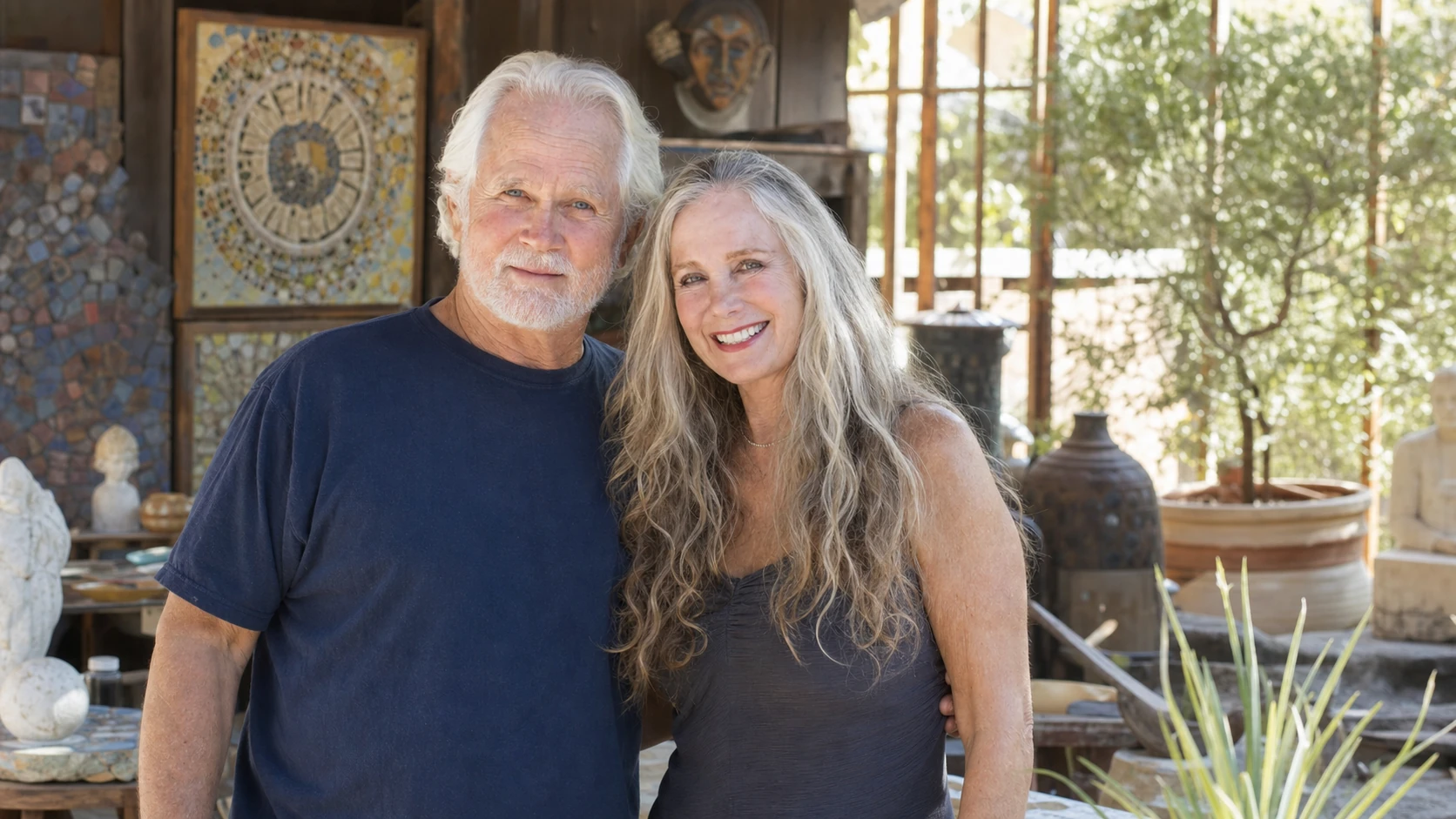
Their home became one of their largest shared projects. Accounts from people familiar with the couple describe a property they built and shaped by hand over many years. Tony contributed construction, woodworking, and sculpture, while Lauren created mosaics throughout the house and garden.
Shulkind’s art was closely tied to the physical environment. Rather than working only on framed pieces, she incorporated mosaic designs into domestic and outdoor spaces. This allowed the home to develop gradually as a living creative project.
Tony maintained a sculpture studio on the property, often beginning with natural pieces of wood whose shapes inspired his bronze figures. Lauren had her own workspace for mosaic art. Their separate practices existed side by side, reflecting a marriage in which both partners made things rather than one simply observing the other’s career.
The couple also shared their home with several dogs over the years. Their pets appeared in profiles and personal accounts, reinforcing the image of a private life built around art, animals, gardens, and practical work.
Lauren Shulkind’s Mosaic Art
Mosaic art became Shulkind’s clearest public creative identity. She spent decades creating installations for the Topanga property and continued working in a dedicated area of the couple’s studio.
Her work received less media attention than Tony’s bronze sculpture, partly because she did not promote herself through a highly visible gallery career. There is no reliable public catalog that establishes the number of works she produced, their sale prices, or their presence in major museum collections.
Claims that her mosaics sold for large sums or appeared in prominent permanent collections should therefore be treated with care. No dependable record supports precise valuations or extensive exhibition histories.
What is clear is that mosaic making was not a brief pastime. It remained part of her life over many years and became physically embedded in the home she shared with Dow. Her approach linked design, craftsmanship, architecture, and personal memory.
Television and Publishing Projects
Shulkind’s production experience continued after her marriage. She was involved in Child Stars: Their Story, a documentary broadcast by A&E in 2000.
The project examined the experiences of young performers, including the pressures of fame, money, family control, and the difficult transition from child actor to adult. Tony Dow and Melissa Gilbert were key creative figures, while Shulkind was credited in biographical accounts as a co-producer.
The subject had direct personal relevance. Dow had become a nationally recognized television actor before entering his teenage years and later spoke about the frustration of being permanently identified with Wally Cleaver. The documentary offered a way to examine such experiences through many former child performers rather than presenting Dow’s story alone.
Shulkind also helped develop Behind the Silver Screen: Stories from Residents of the Motion Picture & Television Fund Retirement Community. Working with writer and philanthropist Betty Freeman, she supported a writing workshop that encouraged retired entertainment workers to record their memories.
The resulting 2005 book included stories from dozens of residents. It paid attention not only to actors but also to people whose work had taken place behind the camera or in less visible production roles.
That focus suited Shulkind’s own career. Much of her most meaningful work involved preserving the experiences of people whose contributions could easily be overlooked.
Volunteer Work With the Motion Picture & Television Fund
Shulkind began volunteering with the Motion Picture & Television Fund in the mid-1990s. The organization provides health care, residential support, and social services to members of the entertainment community.
Her work included decorating events, spending time with residents, supporting memory-care activities, and helping with creative programs. She also encouraged Tony to become involved.
Shulkind’s contribution was practical and sustained rather than ceremonial. She visited residents, helped organize projects, and used music and conversation to connect with older people, including those experiencing memory loss.
The writing workshop that produced Behind the Silver Screen grew from this volunteer relationship. It gave residents a structure for preserving their personal histories and offered readers a view of the entertainment business through workers who rarely received public recognition.
A later Motion Picture & Television Fund profile described Shulkind as continuing to visit the organization and spend time with residents. It remains one of the strongest records of her public service.
Performing With Tony Dow
Lauren Shulkind also joined Tony Dow onstage in productions of A.R. Gurney’s Love Letters. The play tells the story of two people whose lifelong relationship unfolds through decades of written correspondence.
The couple performed the work in several locations, including Wisconsin and Connecticut in 2017 and 2018. Because the play depends mainly on two seated performers reading letters, it emphasizes voice, emotional timing, and personal connection rather than elaborate staging.
For audiences, the appearance of a real married couple added another layer to the material. Lauren and Tony had already spent nearly four decades together, giving them a natural familiarity that suited a story about affection, distance, disappointment, and lasting attachment.
Shulkind did not use the production to launch a separate acting career. It was another example of the couple selecting projects they could experience together.
Tony Dow’s Depression and Life as an Artist
Dow spoke openly in later life about clinical depression. He described feeling trapped by the public’s attachment to Wally Cleaver and struggling with anger about the narrow way people viewed him.
Shulkind supported his decision to discuss those experiences. In interviews, she expressed pride in his willingness to seek treatment and share what he had learned with others.
She also helped him reconsider the connection between himself and Wally. Rather than treating the television character as a false identity that had ruined his life, she suggested that viewers responded to qualities that also existed in Tony himself, including gentleness, vulnerability, and kindness.
Art became an important part of his life alongside professional treatment. Dow’s sculpture gave him another way to express emotion, while the shared studio allowed both partners to work independently within the same creative environment.
Shulkind never presented art as a substitute for medical care. Her comments placed creative work beside therapy and medication as one part of a larger effort to live with depression.
Cancer Diagnosis and Tony Dow’s Death
Tony Dow was hospitalized with pneumonia in August 2021. Shulkind shared updates with supporters and said he remained in good spirits while receiving care.
In May 2022, the couple announced that Dow’s cancer had returned. He underwent treatment, including immunotherapy, but his condition worsened over the following months.
On July 26, 2022, Dow’s management team mistakenly announced that he had died. The statement was repeated by major news organizations before his family clarified that he remained alive under hospice care.
Reports later explained that Shulkind was distraught and had misunderstood information during a period of rapid medical decline. The error passed through others before reaching the public. She apologized after the announcement was corrected.
Tony Dow died the following morning, July 27, 2022, with family members nearby. He was 77.
The mistaken announcement attracted intense attention, but it represented only a few confused hours during the final stage of a long illness. It does not fairly define Shulkind’s role as his wife and caregiver or their four decades together.
Net Worth and Income Sources
Lauren Shulkind’s personal net worth is not publicly confirmed. Websites that assign her a precise fortune do not provide access to verified financial statements, contracts, art sales, property records, or estate documents.
Her known sources of work have included modeling, gallery ownership, advertising production, television production, mosaic art, publishing projects, and stage appearances. Public information does not show how much she earned from any of these activities.
Tony Dow also worked in several fields, including acting, directing, construction, and sculpture. Estimates of his wealth vary widely and should not automatically be treated as evidence of Shulkind’s personal finances.
Any inheritance she may have received after his death remains private. The most accurate conclusion is that her financial position has not been publicly disclosed.
Current Status
Since Tony Dow’s death, Shulkind has kept a low public profile. She has not announced a remarriage, a new relationship, a memoir, or a major commercial art project.
No reliable report has confirmed whether she still lives at the Topanga property or how frequently she continues her volunteer work. Her daily life as of 2026 remains largely private.
Her name still appears in profiles of Tony Dow, retrospectives about Leave It to Beaver, and accounts of his later life as an artist. These stories often show that Shulkind was central to the period in which he moved beyond acting and became better known for sculpture, directing, and public discussion of depression.
She remains best described as a mosaic artist, former producer, longtime volunteer, and Tony Dow’s widow. More specific claims about her current occupation or residence are not publicly confirmed.
Frequently Asked Questions
Who is Lauren Shulkind?
Lauren Shulkind is an American mosaic artist, former advertising and television producer, gallery owner, and volunteer. She became widely known through her 42-year marriage to Leave It to Beaver actor Tony Dow.
How old is Lauren Shulkind?
Her exact age and date of birth are not publicly confirmed by a dependable source. Several websites publish a specific birthday, but stronger biographical profiles do not verify it.
How did Lauren Shulkind meet Tony Dow?
She met Dow in Kansas City in the late 1970s while working as an advertising producer. She cast him in a McDonald’s commercial while he was appearing in a local stage production.
Did Lauren Shulkind and Tony Dow have children?
They had no publicly confirmed biological children together. Tony had one son, Christopher Dow, from his first marriage, and Lauren became Christopher’s stepmother.
What does Lauren Shulkind do?
She is best known as a mosaic artist. Her earlier career included print modeling, gallery ownership, advertising production, television work, publishing projects, stage performance, and volunteer service.
What is Lauren Shulkind’s net worth?
Her net worth is not publicly confirmed. Precise figures circulated by biography websites are estimates without verified financial documentation.
Is Lauren Shulkind still alive?
There has been no credible report of her death. As of 2026, she is understood to be living privately, though her current residence and daily activities have not been publicly disclosed.
Conclusion
Lauren Shulkind’s public story is often reduced to her marriage to a beloved television actor. That connection brought her wider recognition, but it does not account for her work as a producer, artist, gallery owner, performer, and volunteer.
Her life with Tony Dow was built around shared creative interests rather than celebrity alone. Together they made a home and studio in Topanga Canyon, supported each other’s art, worked on productions, traveled, performed, and served older members of the entertainment community.
The private areas of her biography should remain private rather than being filled with unsupported dates, family claims, or financial estimates. The confirmed details already show a full life shaped by visual art, storytelling, service, and a marriage that lasted more than four decades.
Lauren Shulkind matters not simply because she stood beside Tony Dow, but because she helped create the quieter life in which he became an artist, spoke honestly about depression, and found meaning beyond Wally Cleaver.
